

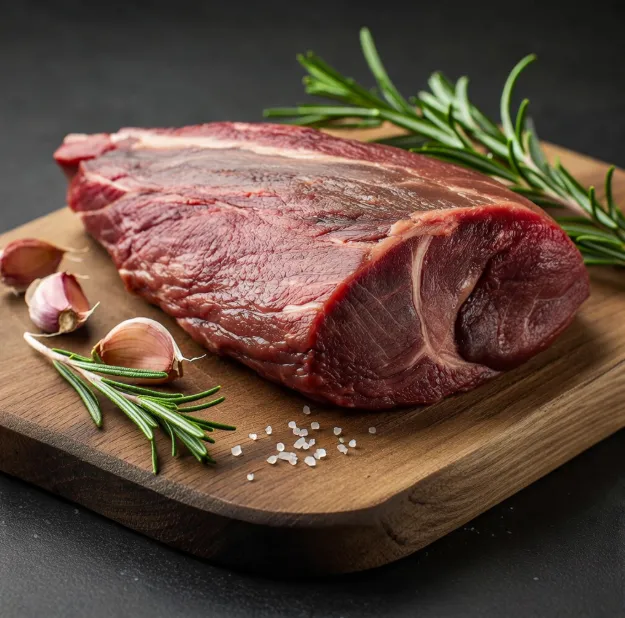
Elk earns a different reputation once you stop treating it as the meat you bring out when you want to impress somebody. A steak may take ten minutes. A roast may take half a day. Bones can become tomorrow’s broth, while a few carefully prepared strips can end up in a backpack. The animal offers far more cooking possibilities than the premium cuts suggest.
Premium Elk Cuts: Let the Cut Tell You How to Cook It
The mistake with elk is often not the recipe. It is treating every cut as though it were beef. Take a tender steak. It does not need much cosmetic treatment, it’s already nature’s rich. Make it simple! Season it, get the grill or pan properly hot, and don’t multi task, it needs a close monitoring. Elk is lean, so it does not have a thick layer of fat to protect the meat if you leave it cooking while you answer a phone call or start preparing something else.
Ground elk is another enrichment. It settles well with your favorite minced meat dishes like tacos and burgers. And if it’s your first time to order Elk Meat Calgary sourced, there is no need to redesign dinner, it swaps easily into any classic recipe. A roast asks for a different kind of attention. Lower heat, moisture and time give it room to develop. Good cooking starts with that recognition. Do not impose the same technique on every cut. Let the meat tell you what it needs.
Organ Meats Bring the Less Familiar Side of Elk to the Table
If you only buy steaks, you are seeing a very small part of what an elk can provide. Each of elk’s organs has its own character in the kitchen. Liver has a strong, concentrated flavor and is naturally rich in nutrients such as vitamin A, vitamin B12 and iron.
Heart has a firmer texture and can respond beautifully to a marinade and quick cooking. Kidneys require more preparation and a cook who knows how to handle their stronger flavor.
None of this means you need to turn organ meat into the centerpiece of Sunday dinner. Start small. Slice liver thinly. Pair it with onions, herbs or a sauce that can balance its intensity. Treat heart more like a firm muscle than a delicate piece of meat. Learn what works before attempting something elaborate.
That is the advantage of experience: you stop asking whether a particular part is “good” and start asking what it is good for.
Elk Bones Are Not the End of the Meal
Elk bones are highly valuable culinary and nutritional assets, rather than trash. It might become tomorrow’s soup, strengthen a stew, form the base of a sauce, or add savory depth when cooking grains.
The marrow inside the legs of these free-range foragers is rich in quality minerals, gelatin and other nutrients that make its broth a worth a regular savory infusion. There is something satisfying about that kind of cooking because it solves two problems at once: you get another useful ingredient, and less of the animal goes to waste.
Elk Jerky Gives Specialty Meat a Life Beyond the Kitchen
Jerky changes the question from “What are we having for dinner?” to “What can I take with me?” That makes elk particularly practical for this kind of preparation. Lean meat can be sliced, seasoned and safely dried into a compact food that fits easily into a hiking bag, lunch bag, vehicle or workday routine.
The quality, however, lives in the details. If you make it yourself, appropriate drying, handling and food-safety practices matter. If you buy it, read the ingredient list rather than assuming that “elk jerky” automatically means a simple product. Seasonings, added sugars and preservatives vary between products.
That behind-the-scenes discipline is what makes a good jerky product. The label may get your attention, but the process determines what you actually eat.
In essence, the culinary strength of elk is not one particular cut. It is the range of possibilities created when the animal is treated as a complete food source. Premium cuts provide familiar meals, organ meats reward skilled preparation, bones create new ingredients, and jerky extends elk beyond the kitchen. The real expertise lies in knowing what each part can become.