
Promotional products help businesses connect with customers while keeping their brands visible in everyday situations. Practical items that combine usefulness with attractive designs can create lasting impressions without requiring expensive marketing campaigns. For restaurants, bars, hotels, cafes, and event organisers, personalised bar coasters offer an effective way to protect tables while showcasing a company logo, brand name, or promotional message. These small accessories can complement the atmosphere of a venue, enhance the customer experience, and provide repeated opportunities for brand recognition.
Why Coasters Are Effective Promotional Products
Successful promotional merchandise offers practical value while communicating a business’s identity. Customers are more likely to appreciate products they can use regularly, making coasters a suitable choice for businesses targeting both individual consumers and corporate audiences.
Coasters are commonly used in homes, offices, restaurants, and hospitality venues. Their everyday usefulness allows brands to remain visible without making the promotional message feel intrusive. With suitable colours, logos, and designs, businesses can turn an ordinary accessory into a memorable marketing tool.
Selecting the Right Material for Your Coasters
The material of a coaster influences its appearance, durability, and suitability for different environments. Businesses should consider their target audience, budget, and intended use before choosing a material.
Popular options include:
● Cork: Lightweight and naturally textured, making it suitable for everyday use and understated branding.
● Paper: An economical choice for restaurants, bars, and events that require disposable coasters in larger quantities.
● Wood: Offers a distinctive, natural appearance that works well with rustic interiors and premium promotional gifts.
● Rubber: Provides a flexible and practical option for busy environments where regular use is expected.
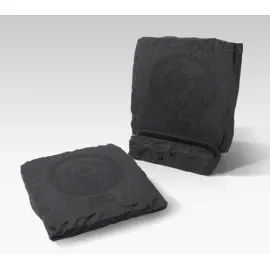
● Stone: Creates a sophisticated finish suitable for decorative merchandise and high-end corporate gifting.
Each material offers different benefits, so businesses should evaluate quality, printing requirements, and maintenance needs before placing an order. Requesting samples can also help confirm whether the finished product matches the intended design and quality standards.
Creating Designs That Reflect Your Brand
An effective coaster design should communicate the brand message clearly without overwhelming the available space. Since coasters have relatively small printing areas, a simple layout often produces better results than a design filled with excessive text and graphics.
A few design considerations can make a noticeable difference:
● Keep the layout simple: Focus on one primary message or visual element.
● Use consistent branding: Match the colours and typography with existing marketing materials.
● Choose readable fonts: Ensure that text remains clear at a small size.
● Prioritise print quality: Use high-resolution artwork for sharper logos and graphics.
● Match the audience: Select designs that appeal to the people receiving the products.
Thoughtful design helps promotional merchandise look professional and encourages customers to keep and use it.
The Benefits of Cork Coasters for Promotional Campaigns
Material choices can communicate a brand’s personality and values. Businesses seeking a natural appearance may consider custom cork coasters because cork offers a lightweight structure, distinctive texture, and versatility across different settings. These products can complement cafes, offices, restaurants, and home environments while providing space for customised branding.
Cork coasters work particularly well for businesses that prefer simple, understated promotional merchandise. A printed logo, short slogan, or carefully selected graphic can create an attractive design without unnecessary decoration. Their natural appearance can also complement neutral colour schemes and minimalist branding.
Practical Ideas for Different Industries
Coasters can support promotional activities across various sectors when the design and distribution method suit the intended audience.
● Restaurants and bars: Display branded coasters on tables to reinforce recognition during customer visits.
● Hotels and resorts: Use them in guest rooms, lounges, and dining areas to create a consistent visual identity.
● Corporate organisations: Include coasters in employee welcome kits, business gifts, and conference packages.
● Retail businesses: Add them to gift bundles or distribute them during seasonal promotions.
● Beverage companies: Supply branded coasters to partner venues to support product awareness.
These applications demonstrate how a simple product can serve different marketing purposes while remaining useful to its recipients.
Conclusion
Businesses can assess the effectiveness of promotional campaigns by reviewing distribution numbers, customer feedback, repeat orders, and engagement with related marketing activities. Although coasters may not generate immediate sales independently, regular brand exposure can contribute to familiarity and recognition over time.
Companies should also consider product quality and audience relevance when evaluating campaign results. Merchandise that suits customers’ needs is more likely to be used regularly, helping businesses gain greater value from their promotional investment. Whether you are planning a corporate event, promoting a hospitality business, or exploring custom promo items, choosing practical products with thoughtful designs can make your marketing efforts more memorable. BRAVA Marketing Promotions can help businesses explore suitable promotional solutions that reflect their identity and support their goals.