

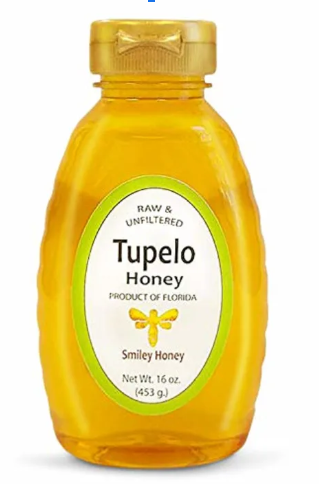
Looking for the best honey to buy in America? Tupelo brings that smooth, buttery taste everyone raves about. Wildflower changes with the seasons and taste different depending on where they’re grown. Orange Blossom has this bright citrus thing going on that works great in cooking. Gallberry gives you those herbal notes you only find down South, while Palmetto surprises people with its deep caramel flavor. Stick with raw, unfiltered varieties if you want real flavor and all the good stuff nature put in there.
The best honey to buy in America does more than just sweeten your tea. It captures the essence of where it came from, and you can taste that difference in every spoonful. Tupelo, Wildflower, Orange Blossom, Gallberry, and Palmetto each have their own distinct character, shaped by the specific American landscapes where bees gathered their nectar.
Something’s changed in the last few years. Americans have stopped settling for whatever honey happens to be on sale. They want to know the backstory. Where did this come from? What makes it different from that bear-shaped bottle on the bottom shelf? Once you’ve tasted real honey with actual character, going back to the mass-produced stuff feels like a downgrade.
We’ve been part of this change at Smiley Honey. Watching people discover what honey can actually be, not what most grocery stores have convinced them it should be, never gets old. Every jar we sell comes from beekeepers who’ve been doing this for generations, people who care more about quality than cutting corners. That’s the difference you taste.
[See Our Honey Varieties]
Why Honey Lovers Care About Flavor and Purity?
Walk into any specialty food store these days, and you’ll notice something interesting. The honey section has exploded. People aren’t just grabbing whatever’s cheapest anymore. They’re reading labels, asking questions, and willing to invest in honey that actually delivers on both taste and quality.
Growing Interest in Pure and Unadulterated Honey in the USA
Something interesting happened around 2020. Americans suddenly started caring about their honey. Like, really caring. Sales of artisanal, locally-sourced honey have nearly doubled, and it’s not hard to see why once you taste the difference.
Think about buying wine. You wouldn’t just grab a bottle labeled “red wine” with nothing else on it, right? The same goes for honey. Where it comes from matters. Regional American varieties showcase flavors you can’t find anywhere else:
- Florida swampland honeys with buttery richness
- California citrus grove varieties bursting with bright notes
- Southern woodland honeys carry herbal complexity
- Coastal marsh varieties offering caramel depth
Real honey keeps everything nature put there. The pollen, the enzymes, the antioxidants. All those compounds work together to create complex flavors that make you pause and actually think about what you’re tasting.
How Flavor Profiles and Source Purity Set the Best Honeys Apart?
Here’s what separates exceptional honey from the ordinary stuff. Single-source honeys from specific places have distinct personalities. You can actually learn to recognize good Tupelo just by tasting it, the same way wine lovers identify their favorite regions.
The best honey to buy doesn’t hide where it came from. It celebrates it. You should be able to taste the landscape in every spoonful, whether that’s Florida swampland or California orange groves. When producers are transparent about sourcing, you’re not just getting honey. You’re getting a genuine agricultural product with real character.
How to Judge Honey: Flavor and Purity Criteria
Shopping for quality honey gets easier once you know what to look for. A few key factors separate the exceptional from the mediocre, and they’re not that hard to spot once someone points them out.
What Makes Honey “Pure”?
Pure honey means three things. First, it’s raw, meaning no heat treatment that destroys the good stuff. Second, it’s unfiltered, so all the beneficial pollen stays right where it belongs. Third, ideally, it comes from a single floral source during one specific bloom period.
Raw honey keeps all those natural enzymes intact. These are the compounds that give honey its therapeutic properties and complex flavor. The moment you heat honey above 95°F, you start losing them. It’s still sweet, sure, but it’s no longer what nature intended.
What to look for in truly pure honey:
- No heating above 95°F during processing
- Visible cloudiness from retained pollen
- Single floral source when possible
- Complete traceability to specific apiaries
- Minimal handling from hive to jar
Unfiltered honey looks cloudy, and that’s actually a good thing. All that cloudiness? It’s pollen, propolis, and bits of honeycomb that prove you’re getting the real deal. Pollen works like honey’s fingerprint, as it shows exactly where the honey came from and which flowers the bees were visiting.
USDA Grading, Pollen Content, and Source Transparency
Here’s something that surprises people. USDA grades for honey focus mainly on appearance, not nutritional value or flavor complexity. Grade A just means the honey looks clear and uniform. But that clarity often comes from processing that removes the good stuff.
Pollen content matters way more than official grades. It’s basically honey’s DNA. Scientists can analyze pollen and tell you exactly where honey originated, down to the specific region and plant species. That’s why trustworthy producers don’t filter it out.
What reputable honey producers should provide:
- Specific apiary locations and beekeeper names
- Harvest dates and bloom periods
- Third-party purity testing results
- Clear processing information or lack thereof
- Complete supply chain traceability
Good producers treat this information like a badge of honor. They want you to know their beekeepers by name and could probably point to the exact fields on a map where the bees foraged.
Nuances of American Floral Sources and Seasons
American honey flavors change dramatically based on geography and timing. Spring honeys tend to be lighter and more delicate. Summer and fall varieties develop bolder, deeper characteristics as bees work different flowers.
But it goes deeper than seasons. The same plant growing in Florida produces honey that tastes noticeably different from the same plant in Georgia. Soil, climate, and even the other plants growing nearby all leave subtle marks on the final flavor.
A skilled beekeeper might harvest completely different honeys from the same hives throughout the year. Early spring might bring delicate Tupelo. Summer could yield robust wildflowers. Fall might deliver rich Gallberry.
Top 5 Best Honeys for Flavor and Purity
American beekeepers produce some genuinely world-class honeys. These five represent what’s possible when you combine ideal growing conditions with traditional harvesting practices.
-
Tupelo Honey | America’s Gold Standard
Ask any serious honey enthusiast about their favorites, and Tupelo almost always makes the list. There’s a good reason it commands premium prices and has devoted fans willing to pay whatever it costs.
This honey comes exclusively from White Ogeechee Tupelo trees growing in very specific swamplands across northwest Florida and south Georgia. The harvest window lasts maybe three weeks per year. Miss it, and you wait another twelve months. That scarcity is part of what makes it special, but the flavor is what keeps people coming back.
Describing Tupelo to someone who’s never tried it feels almost unfair to other honeys. Imagine the smoothest, most balanced sweetness you’ve ever experienced. Buttery without being heavy. Complex without being overwhelming. Subtle floral notes that don’t compete with anything you pair it with.
What makes Tupelo genuinely unique:
- Rarely crystallizes thanks to its fructose-heavy composition
- Incredibly limited production tied to specific ecosystems
- Light golden appearance that practically glows
- Works perfectly for both gourmet cooking and natural medicine
- Prized by chefs and health enthusiasts alike
The purity comes from geography itself. These swamps are remote, protected areas where Tupelo blooms dominate and contamination from other nectar sources remains minimal. Beekeepers literally wade through swamps to position hives in the right spots.
Smiley Honey sources Tupelo directly from families who’ve been keeping bees in these swamps for generations. Our Tupelo undergoes zero processing beyond simple gravity straining, keeping every beneficial compound exactly where nature put it.
[Get It Now]
-
Wildflower Honey | Complex and Local
Wildflower honey is where American terroir really shines. Unlike single-source varieties, this honey captures the complete character of a region through whatever happens to be blooming when bees go to work.
The flavor shifts with every jar, every season, every location. Texas Hill Country Wildflower tastes completely different from Vermont meadow honey or California valley varieties. That constant evolution is what makes Wildflower endlessly fascinating. You’re literally tasting the landscape.
Common flavor notes people describe:
- Sweet and floral with layered complexity
- A robust character that changes on the palate
- Sometimes, there are hints of specific dominant flowers
- Deeper, bolder profile than single-source honeys
- Discoveries with every harvest
Reviewers consistently praise Wildflower for its versatility. The robust flavor holds up beautifully against strong cheeses. It adds depth to baked goods without overwhelming them. It works in marinades where delicate honeys would disappear. Yet it’s still approachable enough for your morning tea.
The best honey to buy for experiencing real American terroir is often Wildflower from your own region. You’re tasting the specific plants, climate, and seasonal conditions of landscapes you might even recognize. That creates a genuine connection to local ecosystems through flavor.
-
Orange Blossom Honey | Citrusy Sweetness
Orange Blossom honey captures spring in citrus country. Produced mainly in Florida and California when orange trees burst into bloom, this variety offers something genuinely refreshing.
The citrus character hits you immediately. Bright, clean sweetness with unmistakable fruity notes and gentle floral undertones. It doesn’t feel heavy or cloying like some honeys can. Instead, it tastes light and almost refreshing.
Why chefs reach for Orange Blossom:
- Pairs beautifully with yogurt without overwhelming it
- Adds fruity brightness to vinaigrettes
- Complements baked goods and pastries perfectly
- Works wonders in poultry and seafood marinades
- Provides a clean finish in drinks and cocktails
The purity depends entirely on timing. Beekeepers must position hives in citrus groves during peak bloom when orange blossoms dominate available nectar. Get the timing right, and you capture that distinctive citrus essence. Miss it by a week, and you get something else entirely.
Regional differences exist even within Orange Blossom honey. Florida versions tend slightly more robust, while California varieties often taste lighter and more delicate. Different orange cultivars and growing conditions each leave their mark on the final flavor.
-
Gallberry Honey | Southern Favorite
Gallberry honey remains one of the South’s best-kept secrets. Most people outside the Southeast have never even heard of it, yet those who grew up with it consider it essential.
This honey comes from Gallberry holly plants thriving in wetlands and woodlands. The flavor profile surprises first-timers every time. It’s not quite floral, not quite woody, but somewhere fascinatingly in between with herbal notes and subtle spiciness that develops on your palate.
Traditional Southern uses:
- Classic pairing with barbecue sauces and meat glazes
- Essential in cornbread and fresh biscuits
- Perfect complement to sharp aged cheeses
- Enhances winter vegetables and roasted squash
- Excellent in hot toddies and warm drinks
The purity stems from relatively wild harvesting conditions. Gallberry thrives in areas with minimal agricultural development, meaning the honey stays free from pesticide contamination. That wild character contributes directly to the distinctive flavor you can’t get from processed alternatives.
Gallberry crystallizes at a moderate pace, creating a spreadable texture that many people actually prefer over liquid honey. The crystallization doesn’t mean anything’s wrong. It’s just proof you’re getting the real thing, minimally processed and genuine.
-
Palmetto Honey | Bold and Caramel
Palmetto honey represents one of America’s rarest finds. Harvested from Saw Palmetto plants in Gulf Coast marshlands, this variety brings bold flavor that announces itself immediately.
The taste sets Palmetto apart from everything else. Rich, almost caramel-like sweetness with a finish that lingers and develops. Some people taste molasses notes. Others pick up butterscotch. The intensity makes it wrong for delicate applications, but absolutely perfect when you want honey to be the star.
Where Palmetto shines brightest:
- Drizzled generously over premium ice cream
- Taken straight by the spoonful as a genuine treat
- Creating depth in barbecue and meat glazes
- Elevating simple toast into something special
- Adding complexity to craft cocktails
The rarity comes from limited geography and challenging harvests. Saw Palmetto grows primarily in coastal areas where beekeepers navigate difficult terrain to position hives properly. The effort and exclusivity contribute to Palmetto’s status among serious honey collectors.
Palmetto isn’t for everyone. The bold profile takes some getting used to. But people who love it become absolutely devoted. If you’re looking for the best honey to buy for adventurous tasting, Palmetto delivers something genuinely different from anything else available.
5 Top Health Benefits of Raw Honey
Raw honey isn’t just about flavor. It packs genuine therapeutic benefits that processing destroys. When you choose raw, unfiltered honey, you’re getting nature’s original wellness booster.
-
Powerful Antioxidant Protection
Raw honey contains polyphenols and flavonoids that fight cellular damage. These compounds neutralize free radicals linked to aging and chronic health issues. The antioxidant levels in raw honey rival those found in many fruits and vegetables, making it a sweet way to boost your daily intake.
-
Natural Antibacterial Properties
The glucose oxidase enzyme in raw honey produces hydrogen peroxide, creating powerful antimicrobial action. This natural antibacterial effect makes honey effective for wound healing and fighting infections. Some varieties, like Manuka, contain methylglyoxal for even stronger bacterial defense.
-
Anti-Inflammatory Effects
Phenolic acids in raw honey actively reduce inflammatory markers throughout your body. Regular consumption may help manage chronic inflammation linked to various health conditions. The natural compounds work gently but effectively to support your body’s healing processes.
-
Immune System Support
Raw honey’s diverse compound profile helps modulate immune response. The natural pollen content may reduce seasonal allergy symptoms through gradual exposure. Trace minerals and vitamins support overall immune function, helping your body defend against illness more effectively.
-
Digestive Health Benefits
Beneficial bacteria and enzymes in raw honey support gut health in ways processed honey cannot. These natural probiotics contribute to healthy digestion and nutrient absorption. The prebiotic properties feed good bacteria in your digestive system, promoting overall wellness from the inside out.
How to Store and Serve Your Premium Honey?
Proper storage preserves the exceptional flavor and beneficial properties that make premium honey worth its higher price. Simple practices keep your honey perfect from first taste to last drop.
Tips for Maintaining Flavor and Texture
Store honey at room temperature in a dark cabinet away from direct sunlight. Light and heat accelerate flavor degradation and destroy enzymes. Glass jars protect honey better than plastic, which can absorb odors and potentially leach compounds over time.
Keep the lid tightly sealed to prevent moisture absorption. Honey is hygroscopic, pulling moisture straight from the air. Excessive moisture can trigger fermentation, creating off-flavors and potentially spoiling even genuine honey.
Best storage practices:
- Maintain temperatures between 60 and 75°F
- Use clean, dry utensils to prevent contamination
- Never refrigerate, as cold accelerates crystallization
- Store different varieties separately to preserve distinct flavors
- Keep away from strong-smelling foods
Crystallization happens naturally and actually indicates purity. Toliquefyy crystallized honey, place the jar in warm water below 95°F. Never microwave honey as it creates hot spots that destroy beneficial compounds.
Avoiding Adulteration and Spoilage
Real honey never spoils thanks to low moisture content and natural antimicrobial properties. Archaeologists have found perfectly edible honey in ancient Egyptian tombs thousands of years old. However, adulteration and improper storage can cause problems.
Warning signs to watch for:
- Unusual separation or layering
- Foam formation on the surface
- Fermentation bubbles rising
- Sour or alcoholic smell
- Suspiciously cheap pricing
Pure honey should appear uniform in color and texture. If honey smells sour or alcoholic, it has likely fermented due to high moisture content. Purchase from transparent sources providing complete origin information and processing details.
Takeaway
The top five American honeys each deliver unique experiences worth exploring. Tupelo provides buttery elegance and rare purity from protected swamplands. Wildflower offers complex, ever-changing regional flavors. Orange Blossom Honey brings bright citrus character, perfect for creative cooking. Gallberry delivers distinctive herbal notes ideal for Southern cuisine. Palmetto showcases bold, caramel richness unlike anything else.
At Smiley Honey, we test every batch for purity and authenticity because your trust means more than easy profits. Our beekeepers harvest using methods passed down through generations, ensuring both environmental stewardship and unmatched quality. When you choose Smiley Honey, you’re not just buying a sweetener. You’re investing in American beekeeping traditions, regional ecosystems, and your own well-being.
Real honey makes a difference you can genuinely taste and feel. Choose Smiley Honey and experience what true purity tastes like.
[Order Now]
FAQs
How do I know my honey is pure?
Pure honey appears opaque rather than crystal clear and contains visible pollen particles. It crystallizes naturally over time. Check labels for raw and unfiltered designations. Purchase from transparent sources providing origin information. Avoid suspiciously cheap products likely containing corn syrup or other adulterants.
What’s the healthiest way to enjoy honey?
Consume raw honey at temperatures below 95°F to preserve beneficial enzymes and antioxidants. Take it straight by the spoonful, mix into room temperature beverages, or drizzle over foods after cooking. Avoid heating honey during cooking to maintain its therapeutic properties and health benefits.
Which honey variety is least likely to crystallize?
Tupelo honey crystallizes slowly due to its high fructose content, often remaining liquid for years. However, crystallization indicates purity rather than quality loss. All raw honey eventually crystallizes naturally, confirming it hasn’t been overprocessed or adulterated with additives that prevent natural crystallization.
Why does flavor change with the season?
Seasonal flavor variations reflect changing nectar sources as different plants bloom throughout the year. Spring honeys taste lighter from early flowers. Summer and fall varieties develop deeper flavors from mature plant nectar. Climate conditions and rainfall also influence floral characteristics significantly each season.
Can I substitute one honey for another in recipes?
Yes, though flavor profiles differ significantly between varieties. Mild honeys like Tupelo and Orange Blossom work interchangeably in delicate applications. Robust varieties like Gallberry and Palmetto substitute well in bold recipes. Adjust quantities slightly as the sweetness intensity varies. Consider flavor compatibility with ingredients.


