

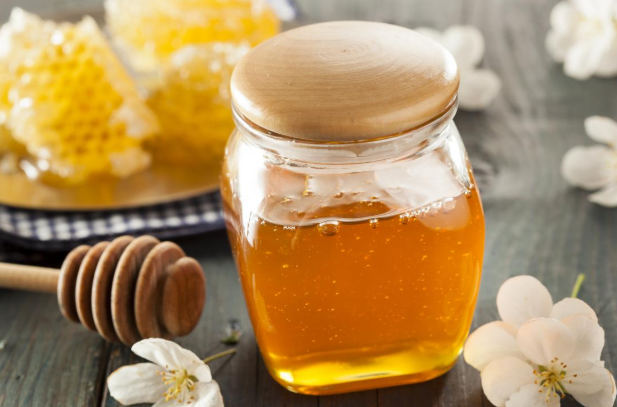
Choosing between raw and pasteurized honey can be confusing. They look similar on store shelves but have very different qualities. The right choice depends on what you value most. Some people want natural enzymes and nutrients. Others want clarity, smoothness, and longer shelf life.
Raw honey comes straight from the hive with minimal filtering. Pasteurized honey is heated and processed for a smoother appearance and longer storage. If you’re looking for honey for sale, knowing the difference between raw and pasteurized will help you pick the best option. Understanding how these differences affect taste, nutrition, and quality helps you make a confident decision.
Both types have their advantages. The goal is to find the option that matches your preferences, lifestyle, and budget.
What is Raw Honey?
Raw honey is unheated and minimally processed, taken straight from the hive and lightly strained. It retains natural enzymes and nutrients, may crystallize faster, and is valued for its authentic taste and rich texture.
Raw honey is honey that remains close to how the bees made it. It contains pollen, propolis, enzymes, and natural antioxidants. It is usually strained only to remove large debris.
Key features include:
- Natural composition with pollen and propolis
- Contains live enzymes and antioxidants
- Tiny particles add flavor and texture
It often varies from batch to batch because bees collect nectar from different flowers. This natural variation is a sign of authenticity, not inconsistency.
Nutritional and Health Properties
Raw honey keeps more nutrients because it has not been heated. Heating can damage enzymes and reduce antioxidant levels. Raw honey supports overall wellness and is used in natural health routines.
Raw honey contains:
- Enzymes that support digestion
- Antioxidants that help reduce oxidative stress
- Natural phytonutrients linked to immune support
These benefits are usually higher in raw varieties than in commercially processed honey.
Pro Tip:
Always source raw honey from trusted brands like Fleures Honey to ensure purity and consistent quality standards.
Typical Appearance and Texture
Raw honey often looks cloudy, thick, or creamy because it contains natural particles. Its texture can range from liquid to fully crystallized, depending on temperature and floral source.
Common characteristics include:
- Cloudy or opaque appearance
- Visible pollen or tiny wax traces
- Firm or creamy consistency as it crystallizes
The appearance is not a flaw. It is proof that the honey is unprocessed and natural.
What Is Pasteurized Honey?
Pasteurized honey is heated to high temperatures. This kills yeast, slows crystallization, and gives a smooth, uniform appearance. It is more consistent in color and texture than raw honey.
Pasteurized honey is preferred by buyers who want clarity, uniformity, and a longer shelf life. It is commonly found in supermarkets and used in commercial food products.
Processing Methods Involved
Pasteurization heats honey to around 160℉, removing air bubbles, reducing cloudiness, and producing a clear product.
The process usually includes:
- Heating to dissolve crystals
- Filtering to remove pollen and particles
- Packaging while warm for a smooth finish
This makes the honey visually appealing but removes some natural elements.
Impact on Nutritional Content
Heating affects honey’s nutritional value. Some enzymes and antioxidants are sensitive to heat. They break down during pasteurization.
This leads to:
- Lower enzyme activity
- Reduced antioxidant concentration
- Loss of some natural phytonutrients
Pasteurized honey still offers sweetness and flavor. However, it does not deliver the same natural benefits found in raw honey.
Appearance and Shelf Life Benefits
Pasteurized honey is clear, smooth, and golden. It stays liquid longer and is less likely to crystallize quickly.
Appearance benefits include:
- Uniform clarity
- Smooth texture
- Consistent color
Shelf life benefits:
- Slower crystallization rate
- Longer storage time
- Reduced fermentation risk
For everyday pantry use, many consumers prefer this reliability.
4 Key Differences Between Raw and Pasteurized Honey
Raw and pasteurized honey differ in nutrition, flavor, texture, and shelf life. These differences make each type suitable for different needs. Both types provide sweetness, but raw honey gives more natural benefits and a fuller taste while pasteurized honey offers convenience and clarity.
-
Nutritional and Enzyme Content
Raw honey contains enzymes like diastase, invertase, and glucose oxidase. These support digestion and contribute to natural health properties.
Pasteurized honey loses enzyme strength during heating. As a result:
- Raw honey has higher enzyme activity
- Pasteurized honey has fewer natural compounds
- Antioxidant levels are lower in processed forms
This makes raw honey the preferred choice for health-conscious consumers.
Mind-Blowing Fact:
Most supermarket honey has been heated and filtered so heavily that very little pollen remains, making it difficult to trace its origin.
-
Flavor and Aroma Profiles
Raw honey has a bolder, more complex flavor because it contains pollens and natural compounds. Each jar can taste slightly different.
Raw honey offers:
- Floral and earthy notes
- Rich aroma influenced by the nectar source
- Stronger depth of flavor
Pasteurized honey tastes milder because heating removes some volatile compounds. It is more predictable but less aromatic.
-
Texture and Crystallization Tendencies
Raw honey crystallizes faster because it still contains pollen and natural sugars that encourage crystal formation. It may become grainy, creamy, or solid over time.
Pasteurized honey stays liquid longer due to heating and filtration.
Differences include:
- Raw honey may thicken and become creamy
- Pasteurized honey remains smooth and fluid
- Raw honey is better for spreads and toppings
- Safety and Shelf Stability
Is raw honey safe? Yes, for most adults. It naturally inhibits bacteria due to its acidity and low moisture content. The only exception is infants under one year old because of botulinum spores.
Pasteurized honey:
- Has a lower fermentation risk
- Stores well in warm climates
- Stays liquid for longer periods
Raw honey:
- Remains safe for years
- May crystallize, which is normal
- Benefits from cool, dark storage
Comparison Table: Raw vs Pasteurized Honey
| Feature | Raw Honey | Pasteurized Honey |
| Processing | Unheated and lightly filtered | Heated and finely filtered |
| Nutrients | Higher enzymes and antioxidants | Lower due to the heat |
| Flavor | Strong and natural | Mild and uniform |
| Texture | Thick or crystallized | Smooth and liquid |
| Appearance | Cloudy with particles | Clear and polished |
Health Benefits of Raw and Pasteurized Honey
Raw honey carries more health benefits because it retains natural compounds. Pasteurized honey still offers energy and sweetness but loses some of the properties linked to immune support and wellness.
Both versions are safe and useful. The difference is in their natural content.
Antioxidants and Immune Support
Raw honey contains antioxidants like flavonoids and phenolic acids. These support the immune system and help combat oxidative stress.
Raw honey provides:
- Higher antioxidant levels
- More phytonutrients
- Natural compounds that support immunity
Pasteurized honey retains some antioxidants, but significantly fewer compared to raw honey.
Allergy Relief Potential
Many people use raw honey for seasonal allergy relief. This is because it contains small amounts of local pollen, which may help the body adapt.
Raw honey may help by:
- Exposing the body to trace pollen
- Supporting natural immunity
- Easing mild seasonal discomfort
Pasteurized honey contains little to no pollen, so it does not offer the same potential benefits.
Antibacterial and Antimicrobial Effects
Raw honey shows stronger antimicrobial activity due to its natural enzymes and low moisture content. These components stay active because the honey is not heated.
Raw honey supports antimicrobial effects through:
- Enzymes that produce small amounts of hydrogen peroxide
- Natural acidity
- Active nutrients
Pasteurization reduces these properties. It still offers mild antimicrobial benefits, but at a lower level.
Considerations for Choosing Between Raw and Pasteurized Honey
Choosing the right type depends on how you plan to use the honey, your taste preferences, your storage conditions, and your budget. Both options can be suitable depending on your priorities.
Intended Use and Taste Preferences
Pick raw honey if you want:
- Natural flavor
- Nutritional benefits
- A more complex taste
Choose pasteurized honey if you want:
- Clear appearance
- Smooth consistency
- Easy mixing in drinks
If you want authentic flavor and natural benefits, raw honey is the clear winner. If you prefer something smoother for everyday kitchen use, pasteurized honey may fit better.
Budget and Availability
Raw honey is often more expensive because it takes more care to produce. Pasteurized honey is widely available and usually more affordable.
When buying raw honey:
- Look for transparent sourcing
- Choose reputable producers
- Confirm that the honey is truly raw
Final Note
Raw honey and pasteurized honey both serve different needs. Raw honey offers natural enzymes, antioxidants, fuller flavor, and more health-supporting elements. Pasteurized honey provides consistent clarity, smooth texture, and longer shelf life. Your choice depends on what matters most to you. Many households keep both, using raw honey for health and pasteurized honey for quick kitchen use.
To experience true quality, try a trusted brand like Fleures Honey. Their raw honey is carefully sourced and always pure, giving you confidence in every jar. If you are looking for premium honey for sale, Fleures Honey delivers exceptional value and taste. Bring nature’s richness to your table with honey that is crafted the right way.
Explore their selection and upgrade your daily sweetness with a product you can trust.
FAQs
What is the difference between raw honey and pasteurized honey?
Raw honey is unheated and keeps its natural enzymes, pollen, and antioxidants. Pasteurized honey is heated to create a smooth, clear texture but loses some natural nutrients. Both are safe, but raw honey offers more natural benefits.
Does pasteurization affect the nutritional value of honey?
Yes. Heating reduces enzyme activity and lowers antioxidant levels. Pasteurized honey still provides sweetness and energy, but raw honey retains more natural nutrients and health-supporting properties because it remains unheated.
Which type of honey has better health benefits: raw or pasteurized?
Raw honey provides more health benefits due to its higher antioxidant levels, live enzymes, and natural phytonutrients. Pasteurized honey offers fewer nutritional properties because heat reduces many beneficial compounds.
How can you tell if honey is truly raw and unpasteurized?
Raw honey often looks cloudy or creamy because it contains pollen and natural particles. It may crystallize faster. Authentic raw honey usually lists its floral source and is sold by producers known for natural harvesting.
Does pasteurized honey last longer than raw honey?
Pasteurized honey stays liquid longer and has a more stable appearance. Raw honey lasts indefinitely, too, but it may crystallize over time. Crystallization does not reduce quality and can be reversed by warming the jar gently.
Are there any risks associated with consuming raw honey?
Raw honey is safe for adults, but should not be given to infants under one year old due to the risk of botulinum spores. For older children and adults, raw honey remains completely safe and naturally antimicrobial.


