

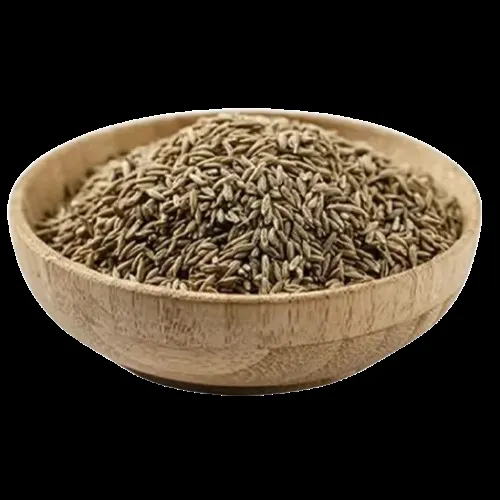
Buying whole seeds for commercial food production requires more than checking a price list. Importers, manufacturers and distributors need products that can perform consistently across repeated orders, survive transport and meet the quality expectations of the destination market. When choosing a cumin seeds exporter India, buyers can work long term; it is useful to look at the complete sourcing process: product specification, grading, cleaning, documentation, packaging and shipment planning. These details influence ingredient quality, production efficiency and the reliability of the finished food.
Start With a Clear Product Brief
Whole cumin is used in spice blends, curries, sauces, snacks and ready meals. Its warm, earthy aroma and slightly bitter character can become more pronounced after roasting or grinding. Because its role varies by application, buyers should define what they need before requesting quotations.
A retail spice brand may prioritise appearance and uniformity, while a seasoning manufacturer may care more about aroma and flavour after processing. These differences are why specifying the required grade matters in bulk purchasing; the buyer and supplier should agree on the quality parameters before a commercial order is confirmed.
Check the Factors That Affect Consistency
A useful specification should cover measurable features instead of relying on broad phrases such as “premium quality.” For cumin, buyers may review purity, moisture, admixture, colour, aroma and microbiological requirements. The exact limits will depend on the product, buyer standards and destination market.
Consistency is especially important for manufacturers using fixed recipes. If one lot is noticeably stronger, darker or more aromatic than another, the finished product may change even when the formulation stays the same. Keeping an approved specification and comparing incoming lots against it can reduce this risk.
Test Samples in Real Production Conditions
Visual inspection is valuable, but it does not reveal everything about a whole seed. A better approach is to test a representative sample under real production conditions.
If cumin will be roasted and ground, buyers should evaluate it after those steps. If it will remain whole in a snack or seasoning mix, appearance, seed integrity and flavour distribution may matter more. A small production trial can show whether the ingredient behaves as expected before a larger shipment is approved.
The same principle applies to sesame. A buyer evaluating a sesame seeds exporter should consider whether the seeds will be used for baking, tahini, snack coatings, confectionery, oil processing or retail packing. Each application can place different demands on colour, texture, seed condition and flavour.
Understand the Differences Within Sesame
Sesame is not a single standardised ingredient. Natural, hulled and black sesame seeds differ in appearance and processing, so buyers should confirm the exact type required.
Natural sesame retains the outer covering and has a firmer texture. Hulled sesame has the outer husk removed, producing a lighter appearance and smoother texture. Black sesame provides a darker visual profile and is often selected when colour is part of the finished product.
These differences affect more than appearance. Roasting behaviour, texture and suitability for a recipe can vary, which is why buyers should compare samples based on the final application rather than treating all sesame as interchangeable.
Plan Packaging Around the Journey
Even a well-cleaned product can lose quality if packaging is unsuitable for the supply chain. Bulk seeds need protection from moisture, contamination and unwanted odours during transport and storage.
Importers should confirm bag type, net weight, liners where needed, batch identification and labelling before dispatch. Longer international routes may require more careful packaging decisions than short domestic movements. Buyers should also consider how the product will be stored after arrival.
Clear batch identification is useful for traceability and stock rotation. It also helps quality teams connect inspection results with a particular delivery if a problem appears later.
Look Beyond the Lowest Quote
Price is important, but a reliable supply relationship depends on more than the lowest cost per kilogram. Communication, lead-time accuracy, specification control and responsiveness can have a direct effect on operations.
A supplier that provides clear product information and discusses changes before shipment can be easier to work with than one that offers a lower price but inconsistent communication. Buyers should also review performance across several orders. Agricultural ingredients naturally vary, but deliveries should remain within agreed limits.
Conclusion
Strong whole-seed procurement is built on clear specifications, realistic sample testing and repeatable quality checks. Cumin and sesame may serve different applications, but buyers face many of the same sourcing questions: Is the grade clearly defined? Will the ingredient perform consistently? Is the packaging suitable for transport? Can the supplier support repeat orders? By answering these questions before scaling up, food businesses can reduce avoidable quality issues and create a more dependable sourcing process for long-term production.